

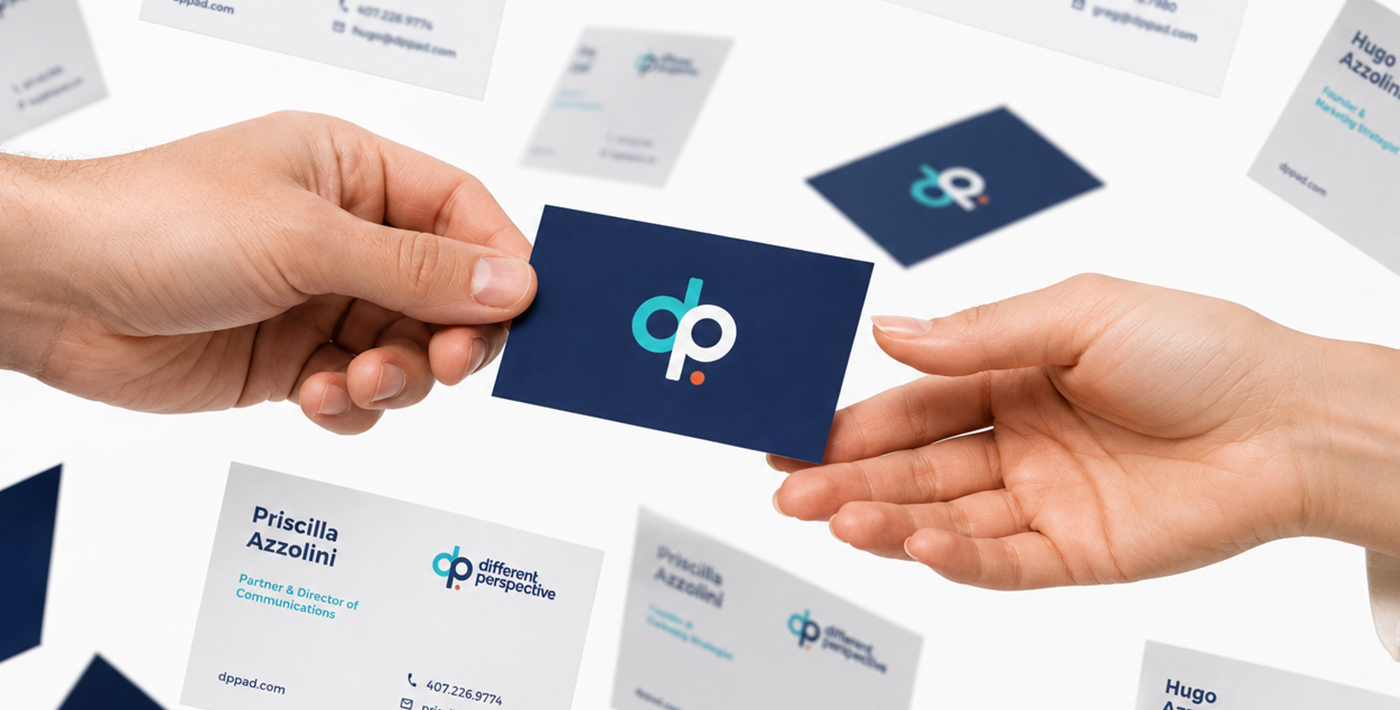
Why business cards still matter in today’s digital age
The case for a small and simple piece of paper in a screen-first world
It would be easy to assume that business cards belong to a different era. We have LinkedIn, QR codes, and an inbox full of new connections every week. But the humble business card has still held its ground, and in many ways, it’s having a quiet renaissance.
Continue reading to find out how that small, usually rectangular, card still earns its place in your wallet.
A first impression you can feel
A digital exchange disappears into a phone the moment it happens. A business card lingers. The weight of the stock, the finish of the print, the choice of color, every detail communicates something about you before a single word is read.
That tangible moment carries real weight in how someone remembers you. It signals that you came prepared, that you take your work seriously, and that meeting them mattered.
A card also has a way of sticking around long after the conversation. While a new contact saved to a phone often gets buried under hundreds of others, a business card sits on a desk, slips into a notebook, or finds a home on a corkboard. Every time someone sees it, they are reminded of the moment you met.
Learn more:
Understanding The Psychology In B2B Marketing
Networking that flows
At a busy event or conference, fumbling for a phone slows the moment down. Searching for someone’s profile, asking how to spell their name, swapping handles, it all interrupts the natural flow of a conversation.
A card sidesteps all of that. It works for anyone, on any device, with no app required. That universal simplicity is part of its quiet strength.
The best of both worlds
Today’s business cards are not stuck in the past. A growing number include QR codes or NFC chips that link straight to a website, portfolio, or digital contact card. A single tap or scan, and your full presence is in the recipient’s pocket.
That hybrid approach is becoming the new normal, blending the warmth of a physical handoff with the convenience of digital follow-up.
How to create a business card that works
A great business card is simple, considered, and unmistakably yours. The best ones strike a balance between clean design and clear purpose, so the person holding it knows exactly who you are and how to reach you. Here are the essentials to get right.
- Keep the layout clean: Give your details room to breathe. A clean, organized layout is the single most valued feature in a business card, ahead of any other design element.
- Make your brand front and center: Your logo, colors, and typography should feel consistent with the rest of your brand. Someone glancing at your card should immediately recognize it as yours.
- Invest in the feel: Premium materials, thoughtful finishes like matte or soft touch, and quality stock all add a sense of care. The weight of a card in someone’s hand tells a story before they read a word.
- Include only what matters: Name, role, company, and one or two ways to reach you. A crowded card is harder to read and easier to set aside, so be selective with every line.
- Bridge to the digital side: A small QR code on the back can link to a website, portfolio, or digital contact card. It keeps the front uncluttered while giving recipients an easy way to learn more.
Ready to design meaningful and effective marketing materials for your business that actually make an impression?
At Different Perspective, we create a suite of marketing and sales materials, such as business cards, stationery pieces, presentation folders, trade show pieces, and more, that bring your brand to life in the hands of every person you meet. Let’s talk about what that looks like for your business.
Contact us today to learn more.
 Back to all blogs


